

Resort Membership Trends 2025: From Timeshares to Luxury Clubs
Discover how resort memberships are evolving from traditional timeshares to luxury destination clubs. Explore global trends, technology integration, and emerging markets shaping the hospitality industry.
The global resort industry is experiencing a fundamental transformation in resort membership trends, as traditional membership models give way to innovative approaches that blend hospitality, entertainment, and lifestyle experiences. From the sun-soaked beaches of Bali to the ski slopes of Aspen, resort operators are reimagining how travelers engage with vacation properties, moving beyond the timeshare model that dominated the late 20th century toward flexible, experience-driven membership programs that reflect changing consumer preferences.
The Evolution Beyond Timeshares
The conventional timeshare model, once the cornerstone of resort memberships, is being rapidly redefined. Industry data indicates a dramatic shift in consumer preferences. Traditional fixed-week ownership programs have declined by approximately 28 percent over the past five years. Meanwhile, points-based and club membership systems have surged. This shift reflects a broader change in how consumers approach leisure and investment.
“The old model of buying a specific week at a specific property simply doesn’t align with how people travel today,” explains Marcus Chen, a hospitality analyst who has tracked the industry for two decades. “Modern travelers want flexibility, variety, and experiences that extend beyond just accommodation.”
This evolution is particularly evident in how major resort operators have restructured their offerings. Marriott Vacation Club, for instance, has transitioned most of its portfolio toward a points-based system that allows members to book stays across multiple properties, book shorter or longer stays, and even exchange points for hotel nights or unique experiences. Similarly, Hilton Grand Vacations has introduced programs that combine traditional resort access with curated travel experiences, from culinary tours in Tuscany to wildlife expeditions in Costa Rica.

The Rise of Destination Clubs
Perhaps the most significant trend reshaping the resort landscape is the emergence of luxury destination clubs. These exclusive programs represent a dramatic departure from traditional timeshare models. They often require initiation fees ranging from $100,000 to over $1 million, plus annual dues of $15,000 to $50,000. In return, members gain access to a curated collection of high-end properties around the world.
Inspirato, one of the pioneers in this space, has built a membership base exceeding 15,000 subscribers by offering access to luxury residences in more than 100 destinations. Unlike traditional timeshares, members don’t own real estate; instead, they pay for guaranteed access to exceptional properties without the hassles of ownership, maintenance, or property management.
The appeal extends beyond mere accommodation. These clubs have become lifestyle platforms, offering members access to private experiences that would be difficult or impossible to arrange independently. Private yacht charters in the Mediterranean, behind-the-scenes access at major cultural events, and exclusive dining experiences with celebrity chefs have become standard offerings.
“We’re not selling vacation ownership anymore,” says Jennifer Morrison, chief membership officer at a leading destination club. “We’re selling access to a lifestyle that our members aspire to live, even if just for a few weeks each year.”
Hybrid Models and the Sharing Economy
The influence of the sharing economy has not been lost on resort operators. A new generation of hybrid membership programs combines elements of traditional resort clubs with the flexibility and technology-driven approach of platforms like Airbnb.
Pacaso, which has generated significant attention in the luxury real estate market, offers co-ownership of high-end vacation homes, with each share typically representing eight weeks of annual use. The company handles all property management, maintenance, and even interior design, while members coordinate their stays through a sophisticated app that ensures fair allocation of peak periods.
This model has proven particularly attractive to affluent professionals who want the benefits of vacation home ownership without the full financial commitment or management responsibilities. Similar to how AI is transforming real estate valuation, technology is reshaping the vacation ownership landscape. Since its founding in 2020, Pacaso has expanded to over 40 markets across the United States, Mexico, and Europe. Property values typically range from $1 million to over $10 million.
Meanwhile, traditional resort operators have begun incorporating sharing economy principles into their membership structures. Wyndham’s Club Wyndham Plus program now allows members to rent out unused points or weeks to other members through a built-in exchange platform, creating a more dynamic and efficient marketplace.
The Entertainment and Experience Integration
One of the most notable developments in resort membership programs is the integration of entertainment and experiential offerings that extend far beyond the property itself. Resort operators have recognized that modern travelers, particularly younger generations, prioritize experiences over possessions.
Disney Vacation Club has long been a pioneer in this approach, seamlessly integrating theme park access, special events, and exclusive experiences into its membership benefits. Members receive priority booking for new attractions, access to members-only events at Disney parks, and even cruise discounts on Disney Cruise Line. This integration of resort accommodations with broader entertainment offerings has created a remarkably sticky membership base, with retention rates exceeding 95 percent.

Other operators have followed suit, though with different approaches suited to their brand positioning. Aman Resorts has introduced a membership program that provides access to immersive cultural experiences, from private meditation sessions with Buddhist monks in Bhutan to traditional tea ceremonies in Japan. Four Seasons Private Residences offers members access to exclusive events, from fashion shows during Paris Fashion Week to private concerts in exceptional venues.
The integration extends to wellness and personal development as well. Canyon Ranch has expanded its resort membership program to include comprehensive wellness assessments, personalized health consultations, and access to a network of wellness professionals even when members are not at a resort property.
Technology Transformation
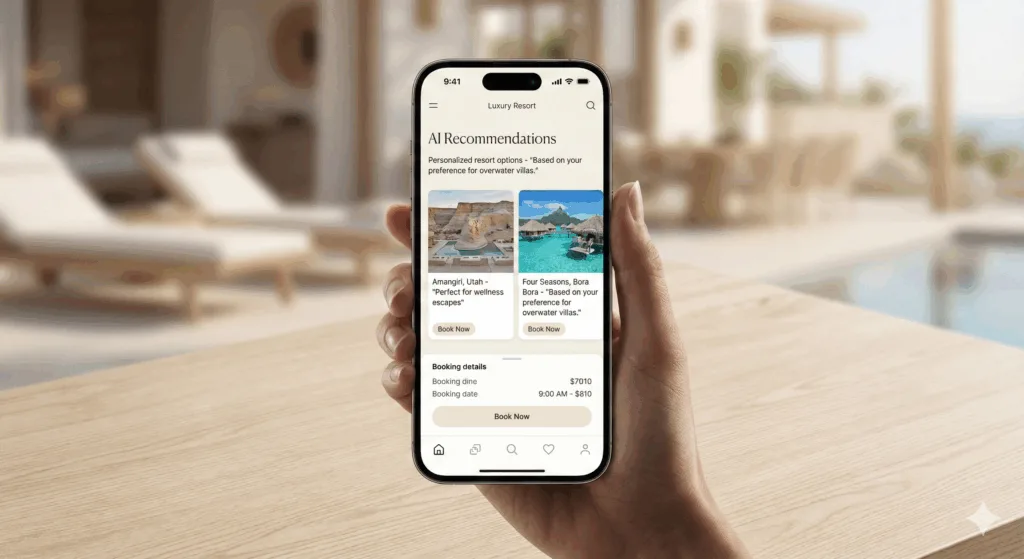
Technology has become the invisible thread connecting modern resort membership programs, enabling a level of personalization and convenience that would have been impossible a decade ago.
AI-Powered Personalization
Advanced booking platforms now use artificial intelligence to learn member preferences and proactively suggest destinations, properties, and experiences aligned with their interests. If a member consistently books beach properties in winter months, the system might automatically notify them when a preferred property becomes available or when a new beachfront property is added to the portfolio.
Mobile-First Member Experience
Mobile apps have become the primary interface for member engagement. Through these platforms, members can not only book stays but also customize their rooms before arrival, arrange airport transfers, book spa treatments, make restaurant reservations, and even pre-order grocery items to be waiting in their accommodation upon arrival.
Blockchain and Emerging Technologies
Some operators have begun experimenting with blockchain technology for membership management and exchange systems. The immutable nature of blockchain could potentially streamline the complex process of point exchanges, resales, and usage tracking while providing greater transparency to members.
Virtual and augmented reality technologies are also making their way into the membership sales process. Prospective members can now take virtual tours of properties around the world from their homes, experiencing the layout, views, and amenities before making a commitment.
Sustainability as a Selling Point
Environmental sustainability has emerged as a significant factor in how resort operators structure and market their membership programs. A growing segment of affluent travelers considers environmental impact when making vacation decisions, and resort operators have responded accordingly.
Environmental Stewardship Programs
Six Senses, a luxury resort group known for its commitment to sustainability, has integrated environmental stewardship into its membership program. Members receive detailed reports on the environmental impact of their stays, including carbon footprint calculations and information about the resort’s conservation efforts. The program also offers members the opportunity to participate in local conservation projects, from coral reef restoration to rainforest preservation.
Green Infrastructure and Incentives
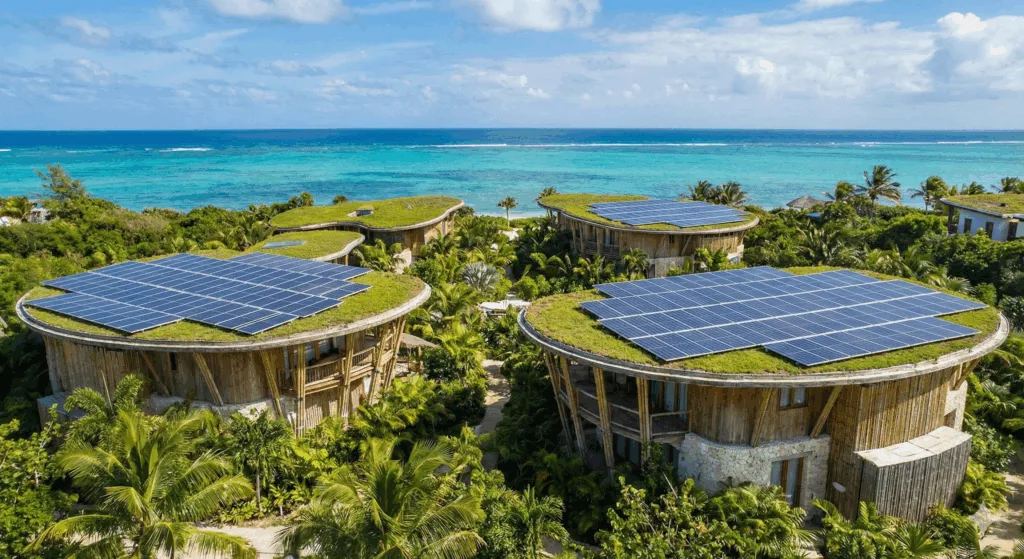
This trend extends beyond environmentally focused brands. Mainstream operators have begun incorporating sustainability features into their properties and highlighting these improvements to members. Solar panel installations, water recycling systems, locally sourced food programs, and partnerships with environmental organizations have become common selling points in membership recruitment.
Some programs have even introduced “green points” systems, where members earn additional benefits or discounts for making environmentally conscious choices, such as declining daily housekeeping services or opting for electric vehicle charging when available.
The Asian and Middle Eastern Markets
While North America and Europe have traditionally dominated the resort membership landscape, the Asian and Middle Eastern markets are experiencing explosive growth. Rising wealth and changing attitudes toward leisure travel are driving this expansion. This growth mirrors trends we’ve seen in global capital flows to real estate.
The China Phenomenon
China has emerged as a particularly important market. Domestic resort membership sales are growing at double-digit rates annually. Chinese operators have developed membership models specifically tailored to local preferences. These often emphasize multi-generational family travel and incorporate elements of traditional Chinese hospitality.
Chinese consumers have shown particular interest in programs offering international access. ClubMed, which has significantly expanded its presence in Asia, reports that its Chinese members are among the most active users of its global property network, frequently traveling to resorts in Europe, the Americas, and other Asian destinations.

Middle East Innovation
The Middle East has seen substantial investment in resort development, with membership programs playing a crucial role in these projects. Dubai’s luxury resort market has introduced innovative membership structures that combine resort access with exclusive benefits at the emirate’s world-class entertainment and dining venues. Members of select programs can access reserved seating at major events, priority reservations at celebrity chef restaurants, and even exclusive viewing areas for signature events like the Dubai Fountain shows.
Recruitment Strategies in the Digital Age
The methods resort operators use to recruit members have evolved dramatically. They’re moving away from the high-pressure sales tactics that gave timeshares a negative reputation. Instead, operators are embracing more sophisticated, relationship-based approaches.
Digital Marketing and Social Media
Digital marketing has become central to member acquisition strategies. Targeted social media campaigns showcase the lifestyle aspects of membership. These feature beautiful imagery of destinations and authentic testimonials from satisfied members. Influencer partnerships have proven particularly effective. Travel influencers share their experiences at member properties with their followers, creating organic interest.
Experience-Based Selling
Many operators have moved away from the traditional model of offering deeply discounted stays in exchange for sitting through lengthy sales presentations. Instead, they’re focusing on creating genuine trial experiences. These allow prospective members to experience the program’s benefits without feeling pressured.
Member Referrals
Referral programs have become increasingly important. Existing members often serve as the most effective recruiters. Programs offering substantial incentives for member referrals have found that word-of-mouth recommendations from trusted friends and family members are far more effective than traditional advertising.
The Challenges Ahead
Despite the innovation and growth in the resort membership sector, significant challenges remain. The industry continues to grapple with the negative perception inherited from the timeshare era. Aggressive sales tactics and difficult exit procedures created widespread consumer skepticism that persists today.
Economic volatility presents another ongoing challenge. Resort memberships represent significant discretionary spending. This makes them vulnerable to economic downturns. The COVID-19 pandemic demonstrated this vulnerability. Many programs experienced waves of cancellations and payment defaults as members faced financial uncertainty.
Regulatory scrutiny has also increased, particularly in markets like the European Union. Consumer protection laws have become more stringent in these regions. Operators must navigate complex regulations regarding sales practices, contract terms, and member rights. These regulations vary significantly across jurisdictions, adding complexity to international operations.
The secondary market for resort memberships remains problematic. Some operators have developed buyback programs or facilitated resale platforms. However, many members still find it challenging to exit their commitments, particularly in legacy timeshare programs. This creates ongoing frustration and contributes to negative perceptions of the industry.

Looking Forward
As the resort membership industry continues to evolve, several trends appear likely to shape its future direction. First, personalization will become increasingly sophisticated. Programs will use data analytics and artificial intelligence to create highly customized experiences for individual members.
Moreover, the boundaries between different types of memberships will likely continue to blur. Programs that combine resort access with airline benefits, dining memberships, entertainment packages, and other lifestyle services may become more common. These will create comprehensive lifestyle platforms rather than standalone vacation products.
Additionally, fractional ownership models may expand beyond ultra-luxury properties to serve the broader luxury market. This expansion will offer more consumers access to vacation home ownership without the full financial commitment or management responsibilities.
Furthermore, the integration of work and leisure, accelerated by the pandemic-driven shift to remote work, will likely influence resort membership design. Properties and programs that facilitate extended stays and blend work amenities with vacation experiences may see increased demand.

Ultimately, the success of resort membership programs will depend on their ability to deliver genuine value and create meaningful experiences for members. Those operators that can build trust, provide flexibility, and continually innovate to meet changing consumer preferences will thrive in this evolving landscape.
The transformation of the resort membership industry from traditional timeshares to sophisticated lifestyle platforms reflects broader changes in consumer behavior and expectations. Modern travelers increasingly prioritize experiences over possessions. They value flexibility over fixed commitments. Consequently, resort operators that adapt to these preferences while maintaining the fundamental appeal of exceptional destinations and exclusive access will define the industry’s future.
This article is part of our ongoing coverage of trends reshaping the global real estate and hospitality sectors.

